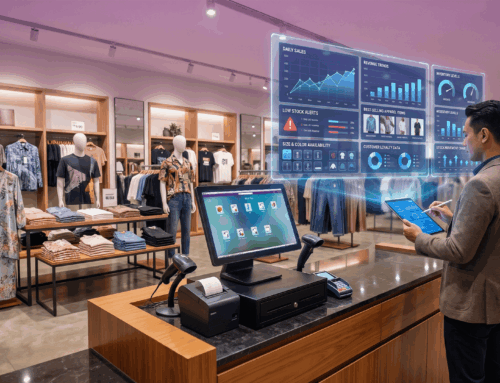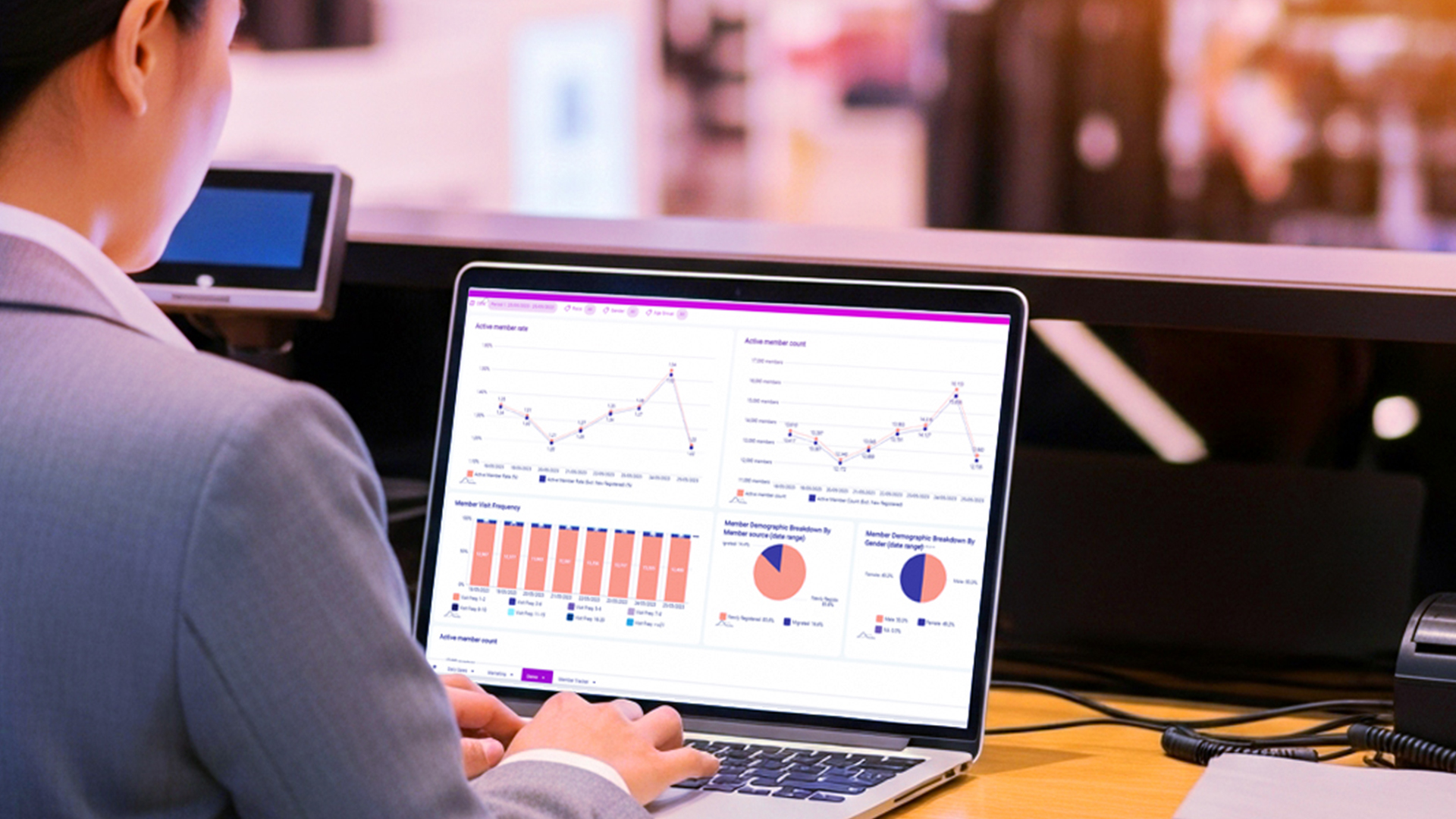
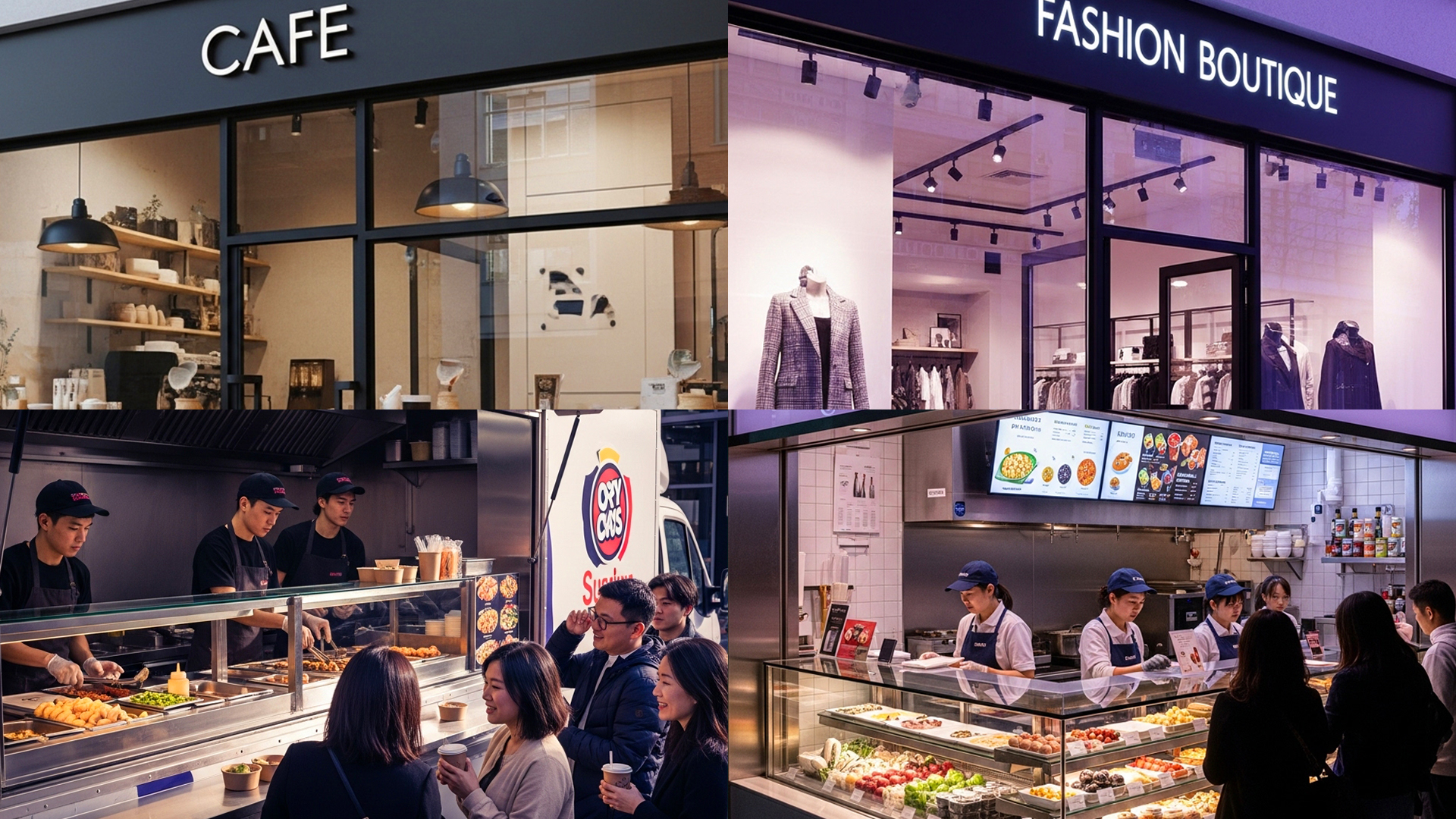

For many of us in Malaysia’s Retail and F&B sectors, managing several outlets can feel like juggling moving parts. A singular and centralised POS system alleviates that problem. It connects sales, inventory, and customer data across branches in real time, creating one source of truth that keeps operations aligned.
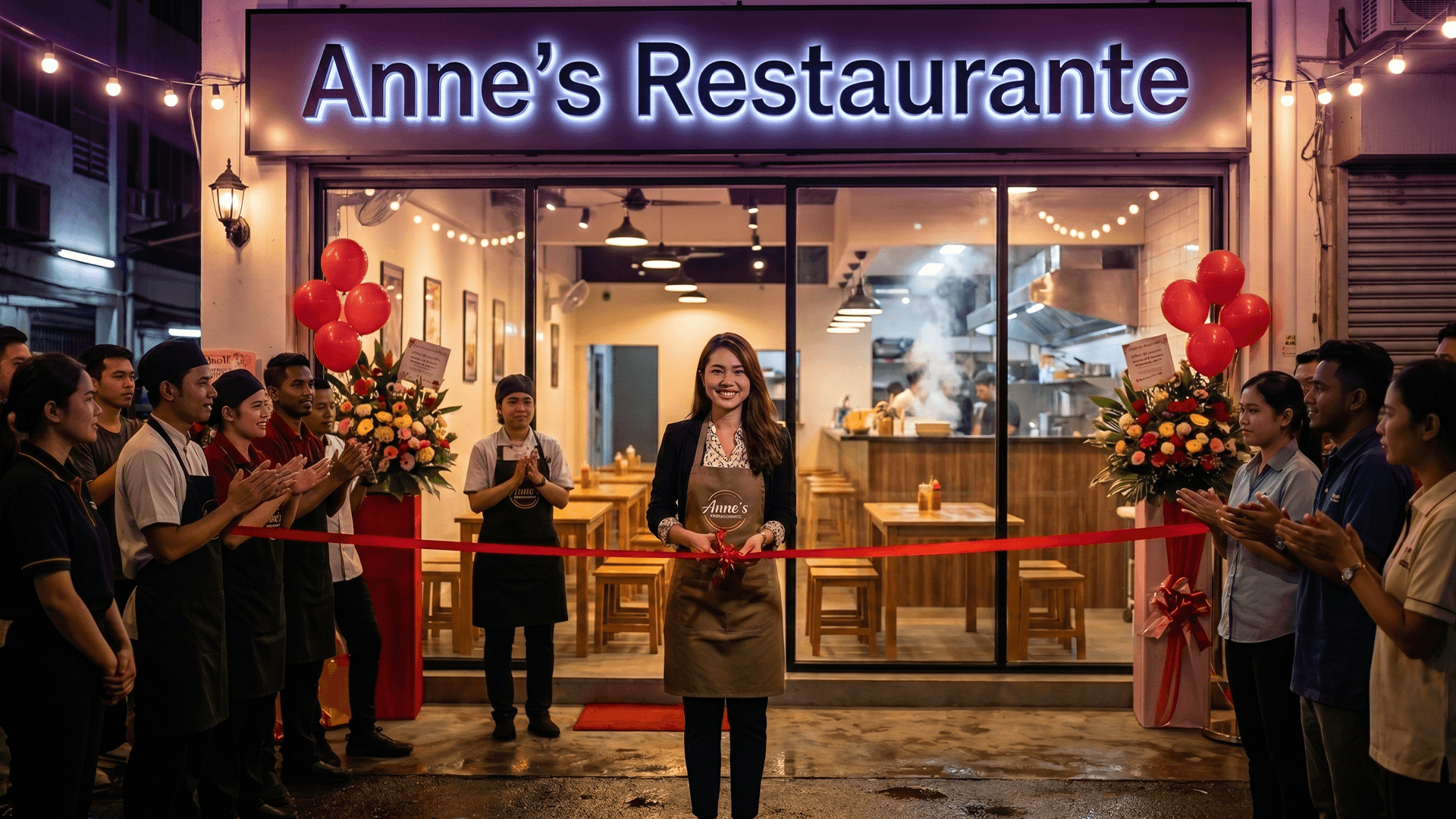
We have seen this firsthand among small chains in Klang Valley. Once a business expands to its second or third outlet, the old manual approach starts to crack. According to SME Corp Malaysia, 98.5% of local businesses are SMEs, and many now operate multiple locations.
Why Multi-Outlet POS Systems Matter to Growing Businesses
Once a business grows to its second or third outlet, manual processes start to break down. The Department of Statistics Malaysia (DOSM) reported that Malaysia’s wholesale and retail trade sector expanded 6.2% YoY in Q2 2024, highlighting the pace of operational growth across the country. As contactless payments and e-wallets become mainstream, the adoption of POS systems rises accordingly.
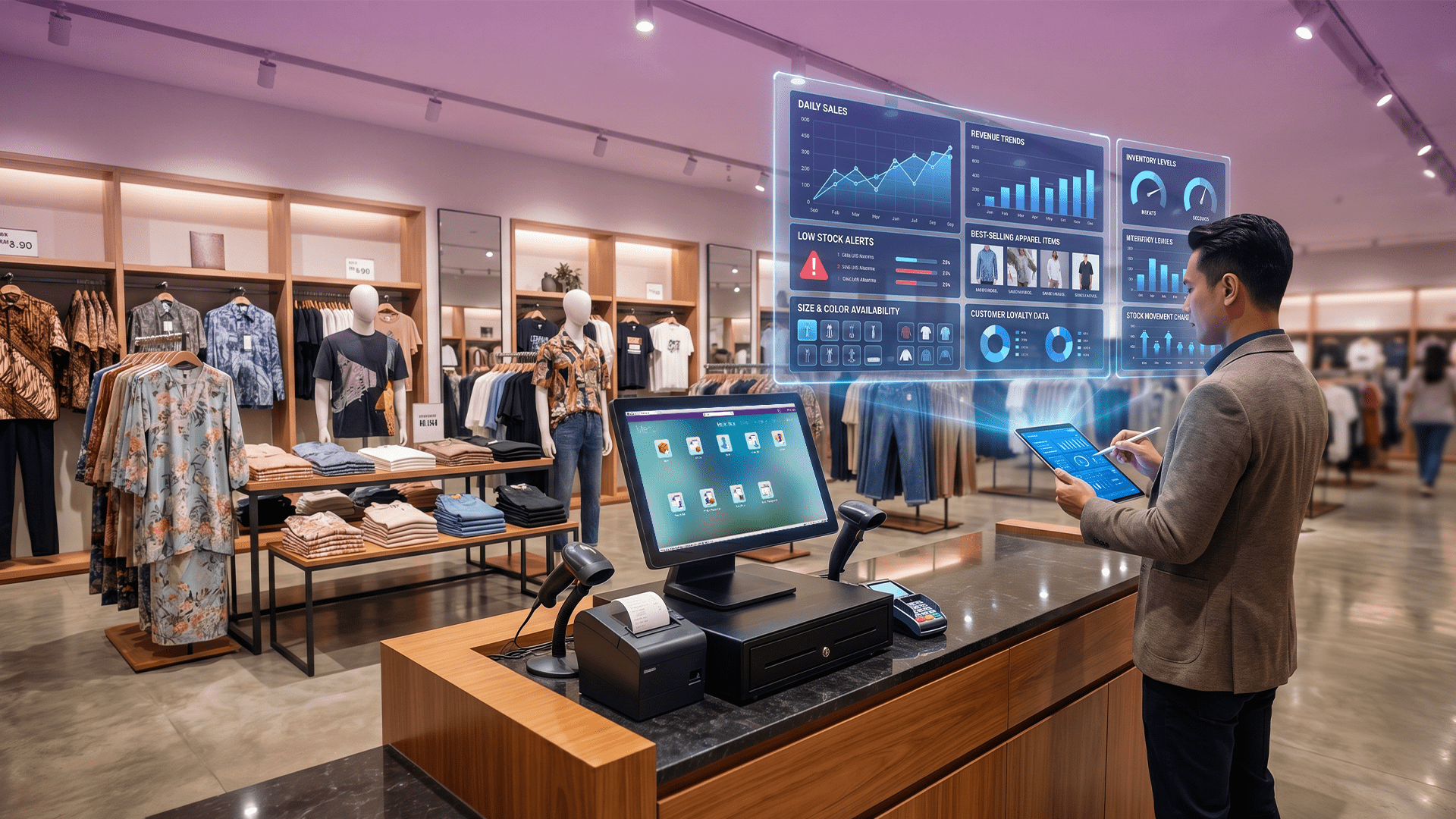
According to Bank Negara Malaysia’s Annual Report 2024, digital payment transactions grew 30% YoY, showing how Malaysian businesses are embracing cash-light operations. For many of us managing lean teams, visibility is everything. By engaging a centralised cloud POS system software in Malaysia, owners can track performance, stock, and staffing remotely. Decisions that once took hours now happen instantly, keeping every outlet aligned and agile.
Key Features That Drive Multi-Outlet Efficiency
Efficiency defines modern retail success. A capable multi-outlet POS system Malaysia manages inventory centrally, showing real-time stock levels across outlets and warehouses, preventing over-ordering and shortages while keeping supply chains balanced. We’ve seen that when staff work with accurate data, they plan better and respond faster.
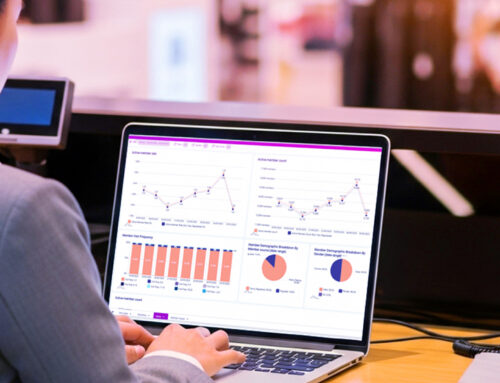
Reporting tools now should help owners turn numbers into insights on top-selling products, peak hours, and team productivity.
Consistency builds trust too. Prices, catalogues, and customer records must stay aligned so that every shopper enjoys the same experience. In Malaysia, smooth integration with DuitNow QR, GrabPay, Touch ’n Go eWallet, and FPX ensures seamless checkout. Compliance with SST regulations further reduces costly errors.
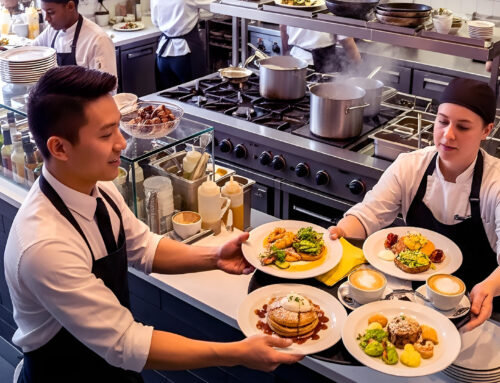
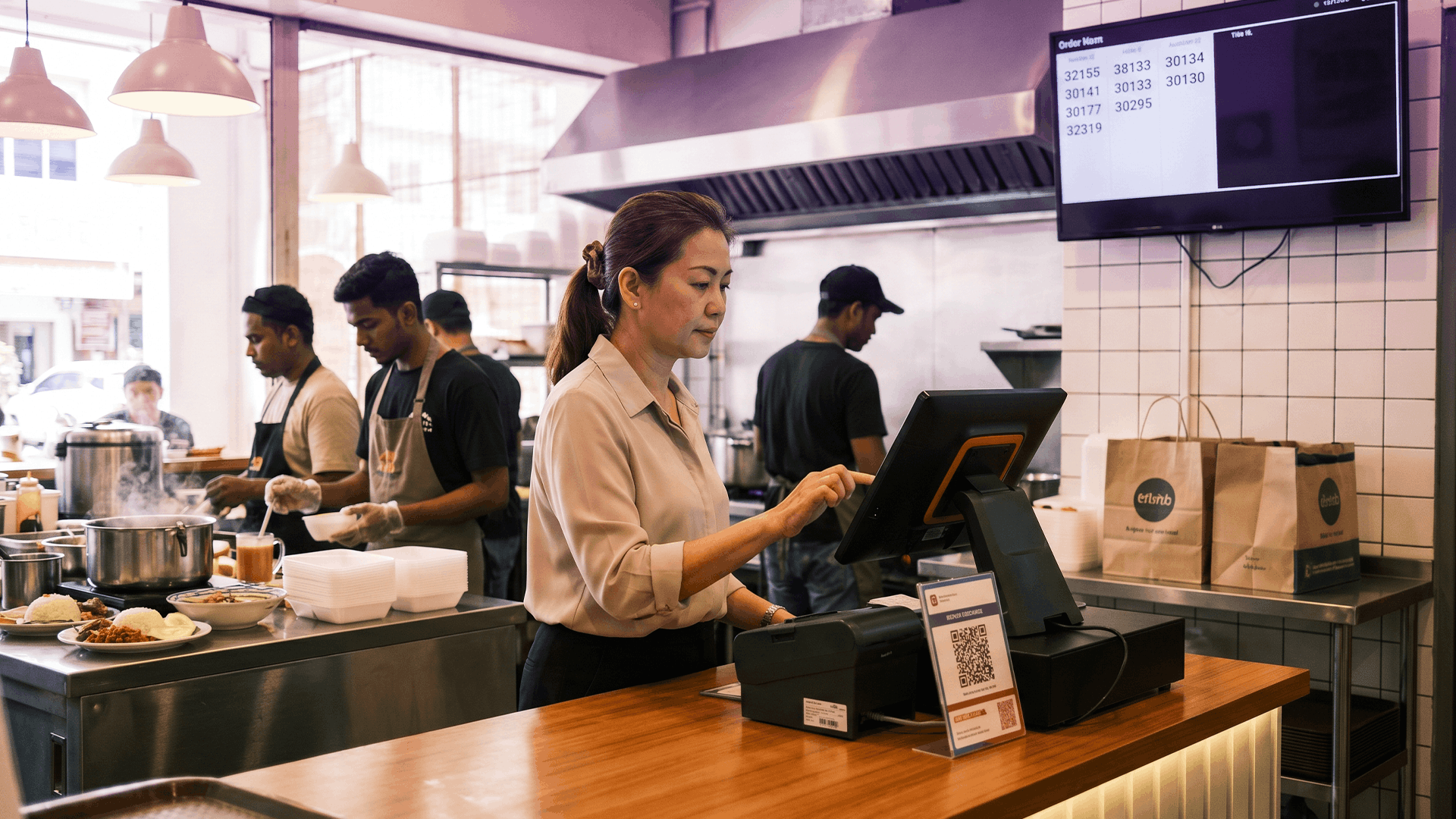
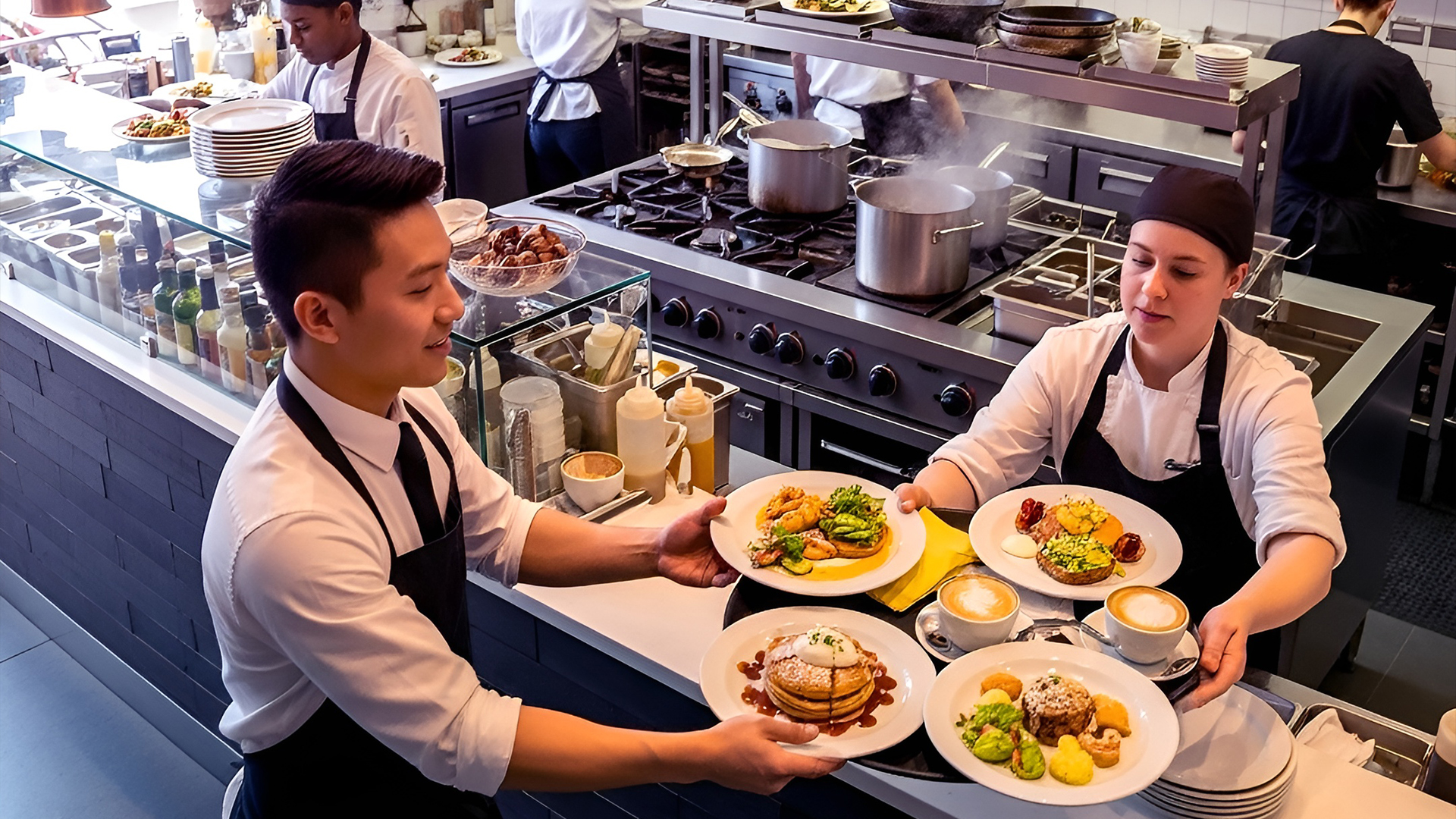
The technology for the best POS systems in F&B goes even deeper. Kitchen Display Systems, QR ordering, and table-management tools improve turnaround time and reduce mistakes. Fortunately, it’s also become a staple over the years, and open APIs are also expected to accommodate the different services and channels available in the market, such as Shopify, WooCommerce, Xero, GrabFood, and Foodpanda, syncing data automatically and maintaining continuity even during temporary network interruptions.
How POS Systems Support Retail and F&B Expansion in Malaysia
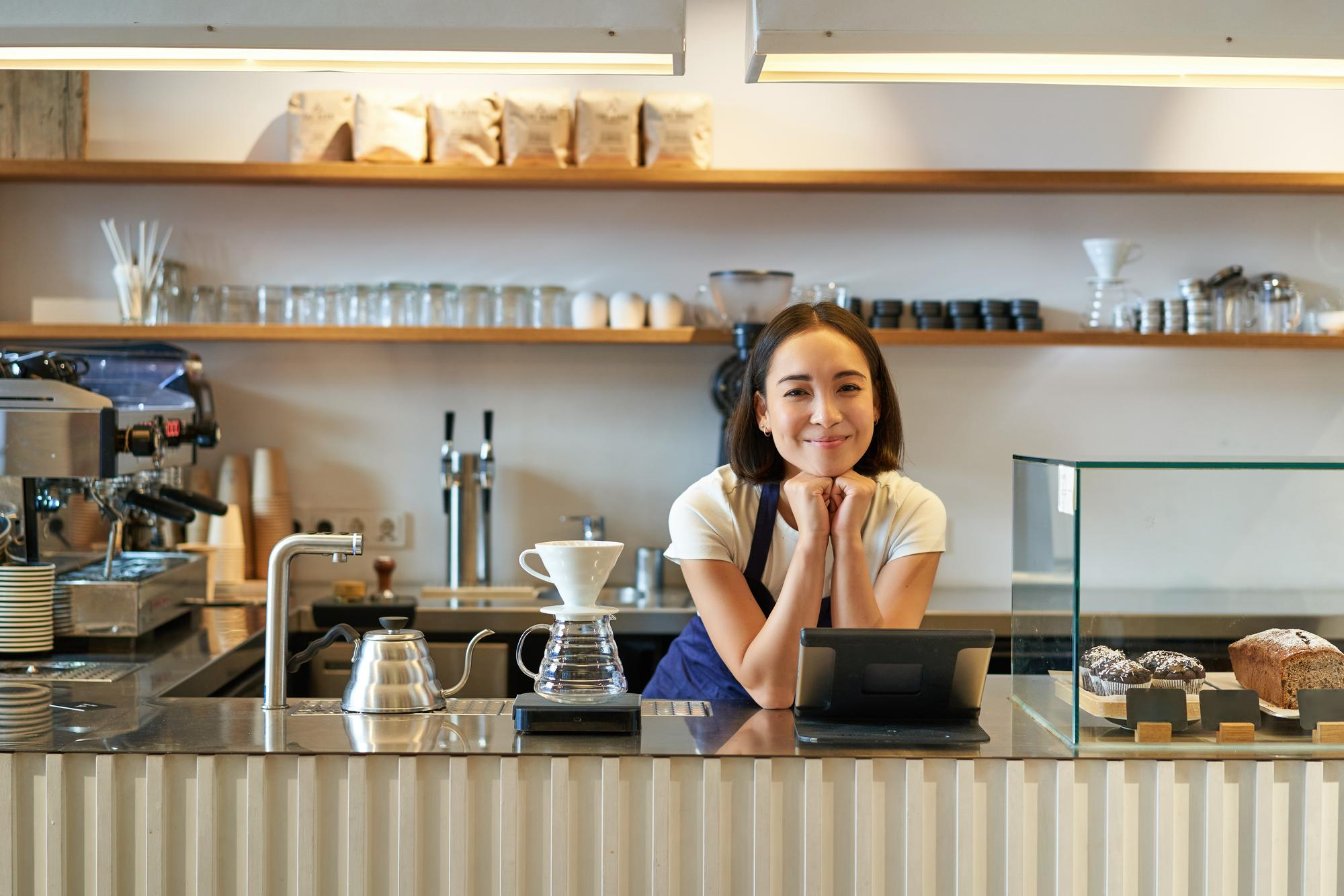
Malaysia’s digital transformation continues to reshape how brands grow. A unified POS system now acts as the operational backbone linking stores, kiosks, and cloud kitchens under one dashboard. Updates to menus, prices, or promotions can be rolled out nationwide within minutes.
Consistent customer data drives loyalty. When purchase histories and rewards follow the customer, each visit feels recognised. Centralised staffing tools simplify scheduling and onboarding, helping new outlets perform from day one. Aggregated analytics then point to high-performing regions or product lines, guiding expansion through data rather than guesswork.
This momentum mirrors the wider economy. The DOSM Quarterly Trade Index 2024 shows steady increases in retail turnover, reinforcing how digitalisation is powering Malaysia’s consumer sector.
Choosing the Right POS System for Growth
Choosing the right POS system begins with clarity. Retailers, cafés, and restaurants each have unique steps and workflows, from barcode scanning to kitchen displays or self-ordering kiosks. The goal is to find a platform that supports multiple payment methods, automates tax processes, and integrates with existing tools.
Cost evaluation goes beyond subscriptions. Transaction fees, hardware reliability, and local technical support determine long-term value. Many of us have learnt that downtime during peak hours can be costly. Scalability must also be part of the plan, ensuring your POS system handles bulk updates and consolidated reporting as your brand grows.
Testing matters too. Businesses that pilot new systems under pressure usually make better decisions later. Reliable vendors evolve with their clients, improving tools as markets change.
Why Malaysian Brands Choose Xilnex
As part of Xilnex’s approach to optimise for growth, we built our POS system to stand out for its adaptability and local relevance. Bringing together payments, CRM, analytics, and inventory under one powerful cloud ecosystem that’s easy to deploy and scale. Our dashboards are designed to empower business owners to make faster, evidence-based decisions with clarity and confidence.
We want to simplify daily operations through real-time visibility, automated alerts, and smooth fulfilment between outlets, a must for hybrid models that balance dine-in, takeaway, and delivery. It’s also a lot easier for us to standardise pricing, promotions, and loyalty programmes across every branch since we’ve further aligned our solutions to Malaysia’s tax and payment systems, operations stay consistent, compliant, and secure.
At the heart of it all, we believe technology should serve people, not the other way around. Our mission is to free business owners to focus on what truly matters – their teams, their customers, and growth.