Retail chains in Malaysia are moving into a phase where growth is less about opening more outlets and more about how well operations scale across them. We have seen this clearly among brands in the Klang Valley managing five, ten, or even twenty locations while juggling physical stores, online orders, and marketplace integrations. Customer expectations continue to rise, and many retailers now recognise that their legacy systems are no longer keeping pace. This is why the best pos system for retail chains in Malaysia has become a strategic focus as brands plan for 2026.
Malaysia’s retail environment has largely stabilised after several years of recovery. According to CBRE, physical retail activity has continued to strengthen, with sustained improvements in foot traffic and occupancy across major urban centres. Higher store activity naturally places more pressure on operational accuracy, stock availability, and speed at the counter. Retailers reviewing the best pos system for retail chains in Malaysia increasingly prioritise systems that can support consistent execution across every outlet.
Market projections also point to steady expansion beyond 2025. Mordor Intelligence estimates that Malaysia’s retail sector will continue growing through the second half of the decade, supported by consumer spending recovery and omnichannel retail models. Growth of this nature tends to expose operational weaknesses quickly. POS systems are no longer viewed as transactional tools alone but as the core operational backbone for multi outlet retail.

Why retail chains need smarter POS capabilities in 2026
Retail chains frequently tell us that fragmentation remains their biggest challenge. Different outlets running slightly different workflows often lead to delayed reporting, inventory mismatches, and inconsistent customer experiences. Selecting the best pos system for retail chains in Malaysia helps centralise sales, stock, and customer data so management teams can operate with a single source of truth.
Omnichannel expectations have also matured. Malaysian consumers now expect pricing consistency, accurate stock visibility, and smooth transitions between online and in store purchases. Retailers relying on a centralised POS find it significantly easier to synchronise transactions, loyalty records, and customer histories across channels.
What Malaysian retail chains should prioritise
1. Real-time multi-outlet visibility
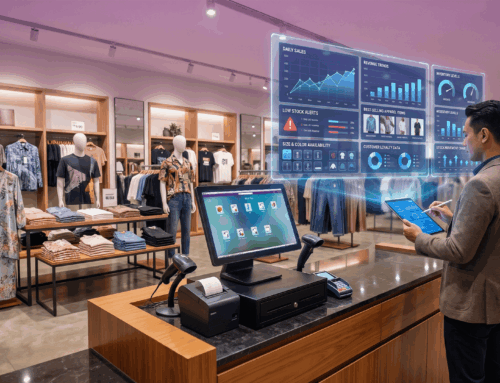
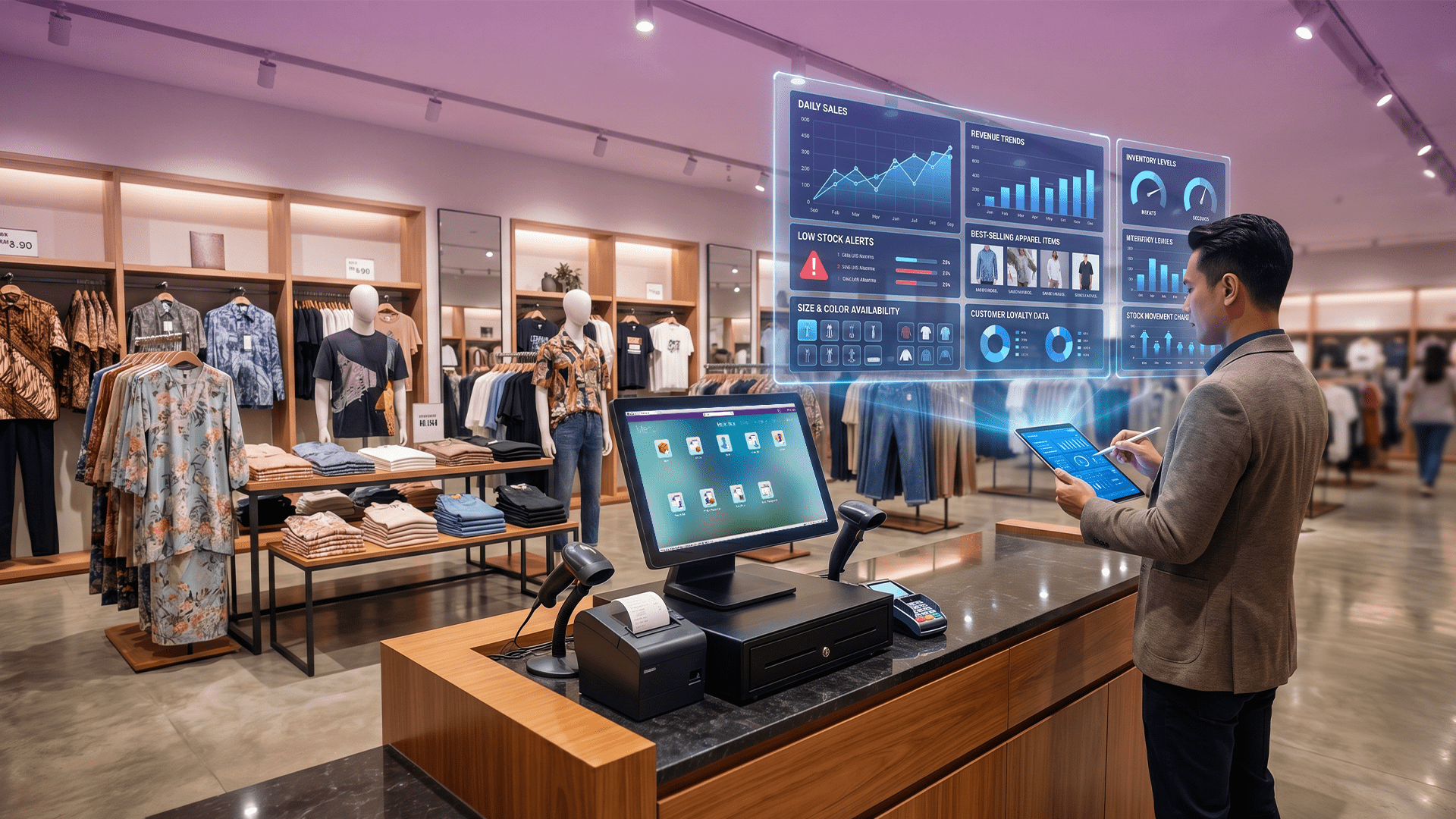
Fast access to accurate data has become essential. Many operations teams still spend hours consolidating outlet level reports manually. A robust multi outlet POS provides real time insights into sales performance, SKU movement, and inventory levels. Retailers evaluating the best pos system for retail chains in Malaysia typically consider this capability non-negotiable by 2026.
2. Centralised controls over product, pricing, and promotion
As chains grow, manual updates introduce unnecessary risk. Centralised control ensures that pricing changes, promotions, and product updates are deployed consistently across all stores. This reduces frontline confusion and protects brand integrity at scale.
3. Easy scalability for continued store expansion
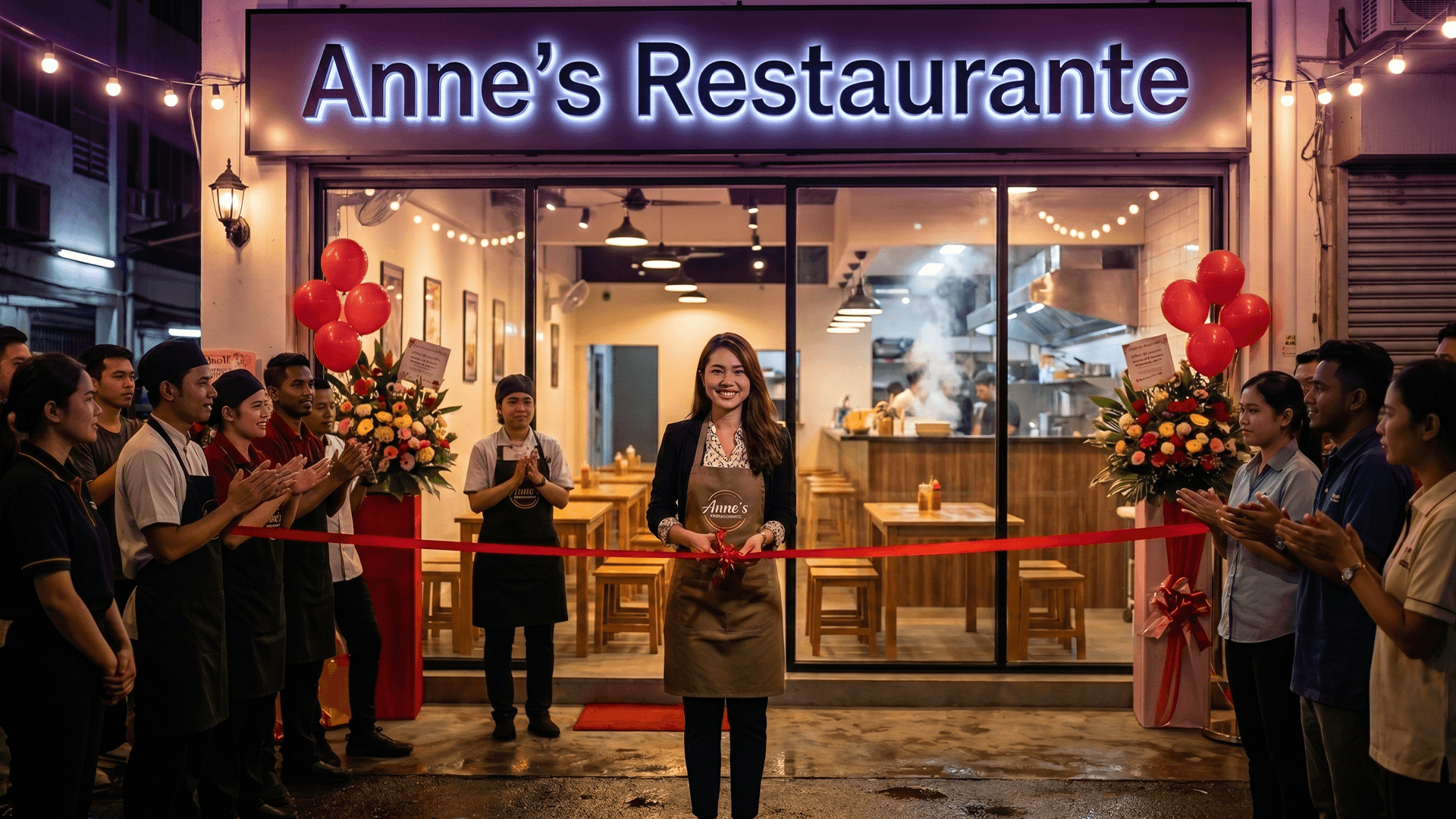
Expansion has not slowed, particularly among convenience, specialty, and lifestyle brands. Retailers now look for POS systems that allow rapid outlet setup, standardised workflows, and minimal retraining. Cloud-based platforms support faster rollout and easier onboarding, which explains why they remain central to discussions around the best pos system for retail chains in Malaysia.
4. Integration across payments, accounting, and e-commerce
Retail operations rarely run on a single system. Disconnected platforms create duplicated work and reconciliation issues. A modern POS should integrate smoothly with digital payment gateways, accounting software, loyalty systems, and e commerce platforms to maintain clean, reliable data flows.
5. Reliability and responsive local support
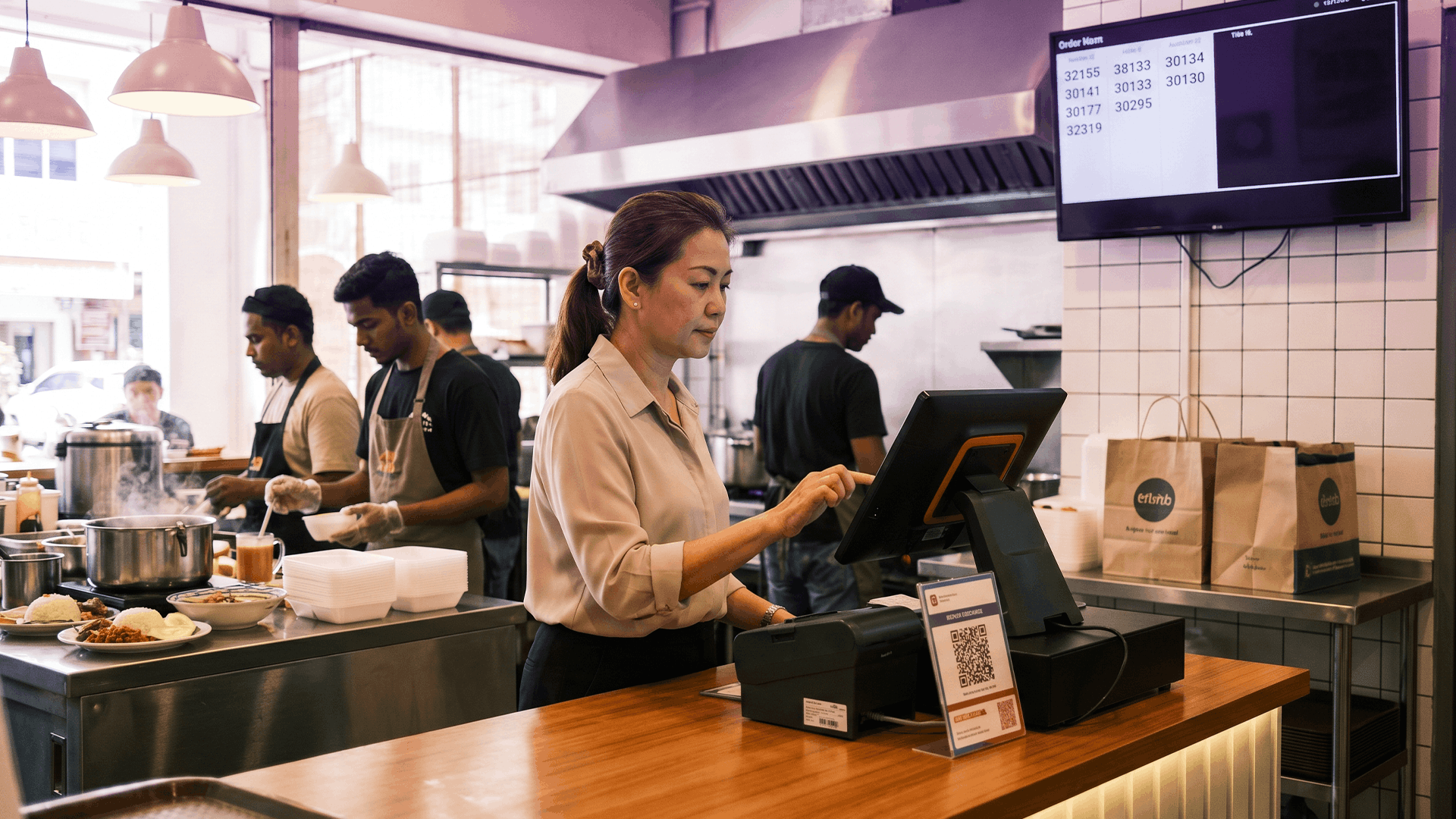
System stability continues to be a critical evaluation factor. Downtime during peak trading hours directly impacts revenue and customer trust. Retailers prioritise vendors with proven infrastructure reliability and responsive local support when assessing the best pos system for retail chains in Malaysia.

How Malaysian brands can approach POS selection in 2026
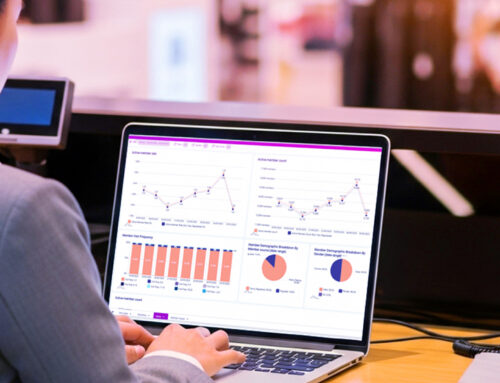
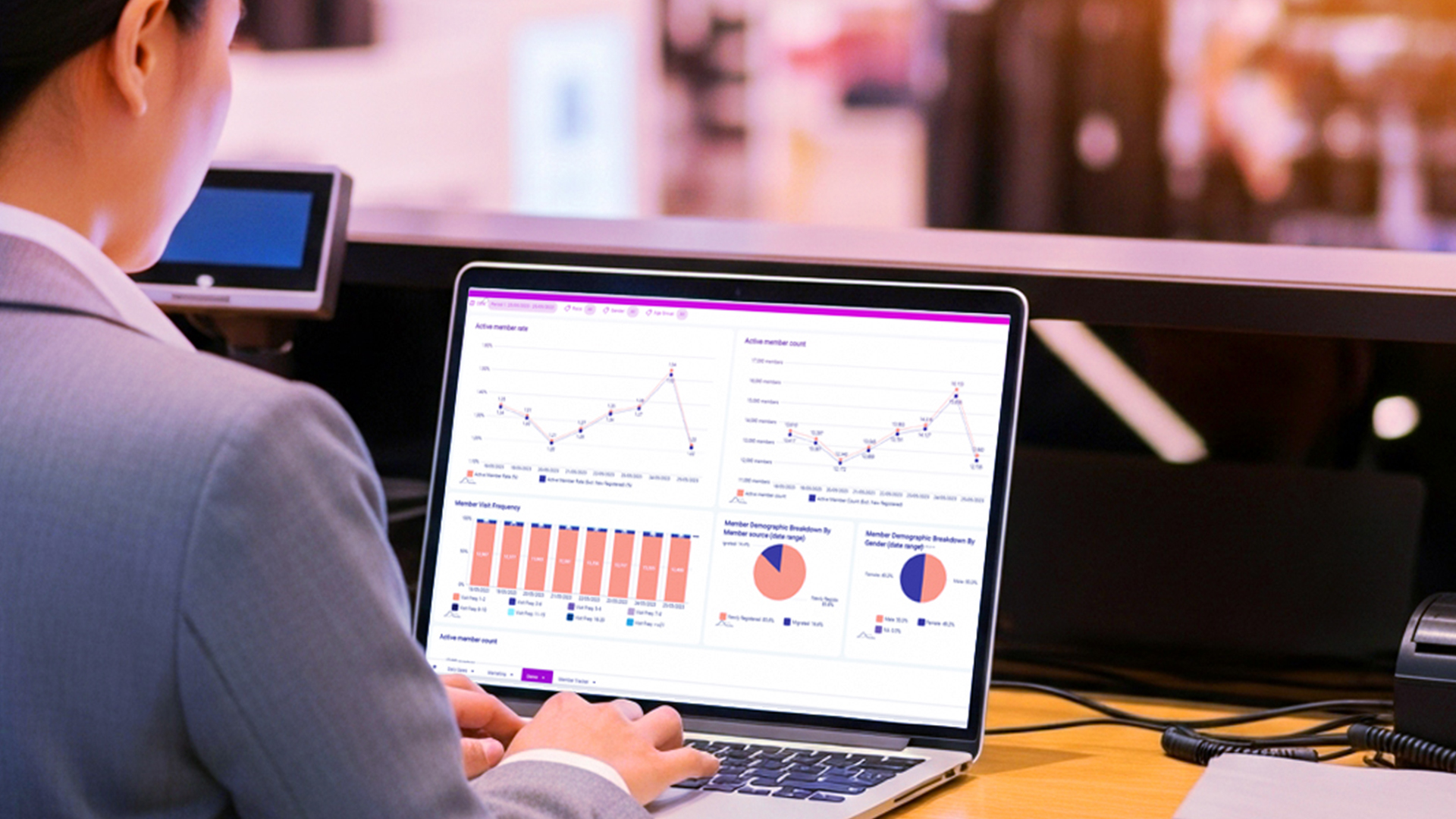
A dependable POS system must offer real-time inventory tracking, automated alerts, and clear reporting tools. Cloud access allows owners to check performance securely from any location. Dashboards turn raw sales data into useful insights, helping us make informed, confident decisions.
Security is paramount. Look for PCI DSS compliance, multi-layer encryption, and user access controls. Integration matters just as much. The system should link smoothly with accounting, CRM, and e-commerce tools such as Shopify, QuickBooks, or Salesforce.
Ease of use and strong vendor support ensure smoother adoption. An intuitive interface shortens training time, while responsive local assistance minimises downtime. Scalability remains essential, ensuring the POS system grows with the business as new outlets open.