What Does a POS System Mean for Businesses Today?
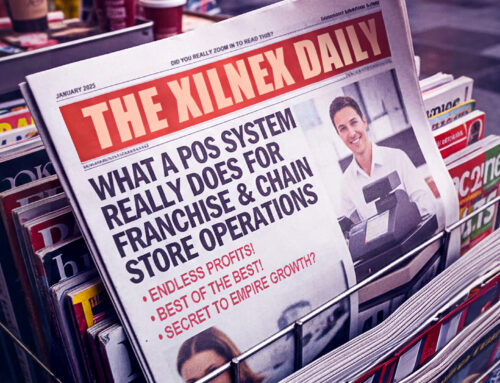
For many of us in Malaysia’s retail and F&B industries, the POS system has become more than a cash register. It is the digital core that powers daily operations. In simple terms, a point-of-sale system refers to technology that processes transactions, records sales, and connects essential business functions.
It’s layers of sales and customer data from various inputs. Today’s POS system has evolved into a central intelligence platform that combines payment processing, inventory tracking, customer management, and reporting in one cloud-based network. Through barcode scanners, card readers, and tablets, it helps us manage stock, track performance, and access real-time data anywhere.
Cloud connectivity also ensures continuity. Even during internet downtime, transactions continue smoothly. With encryption and tokenisation in place, these systems protect sensitive data and build customer trust. For growing Malaysian businesses, adopting a POS system is no longer just about upgrading hardware; it is about achieving consistent, data-driven control.
Core Benefits of POS for Multi-Outlet Operations
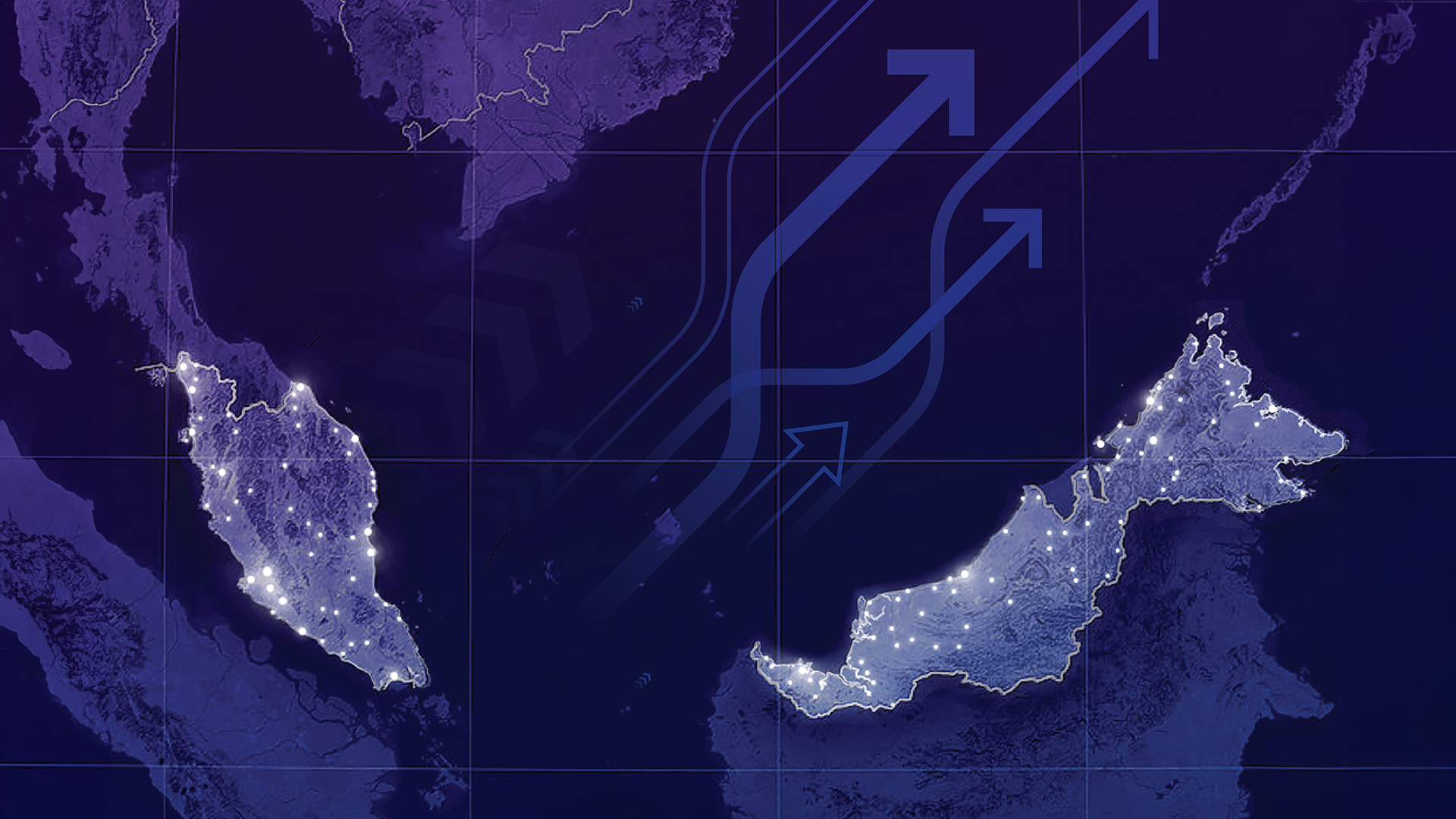
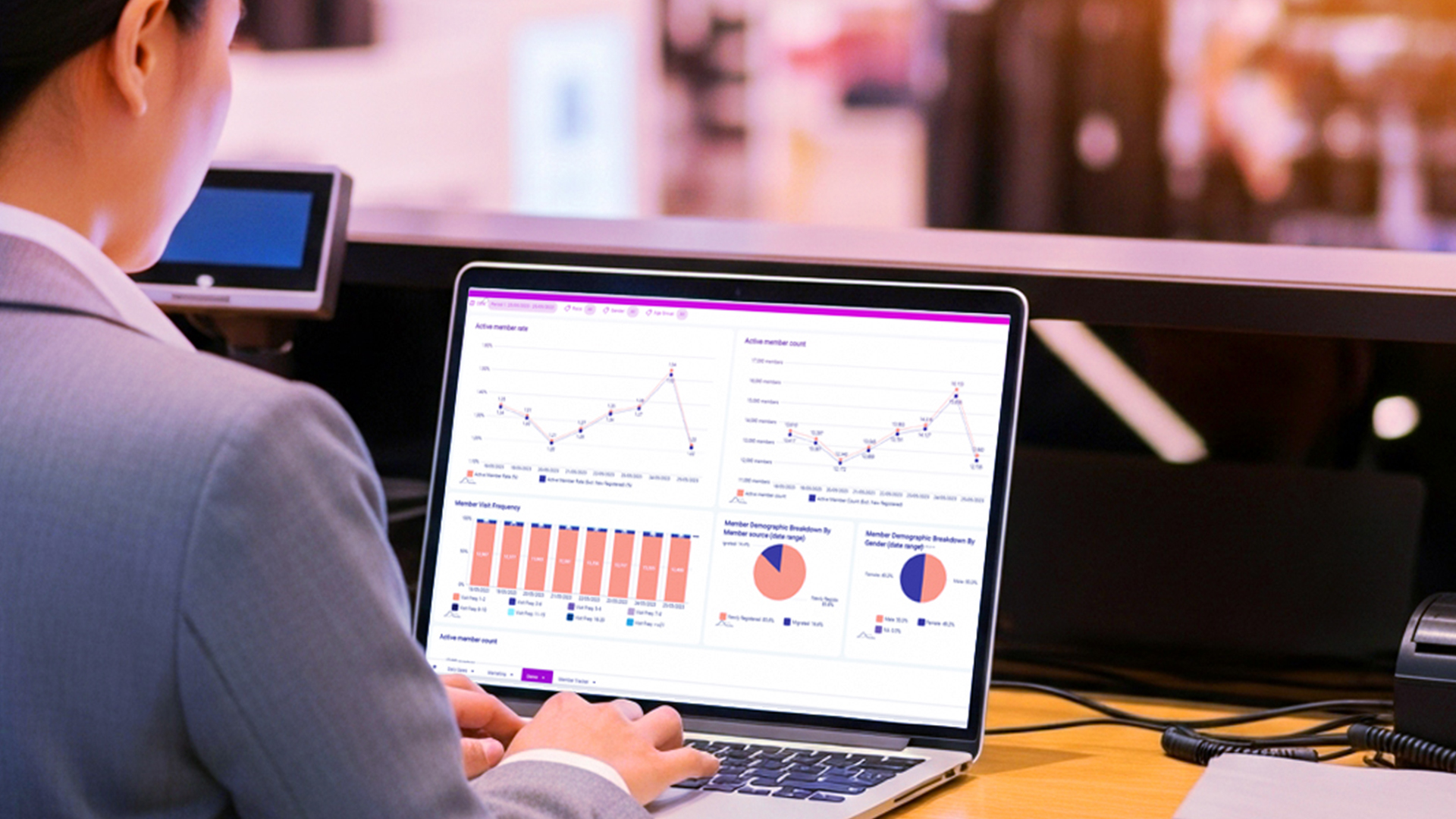
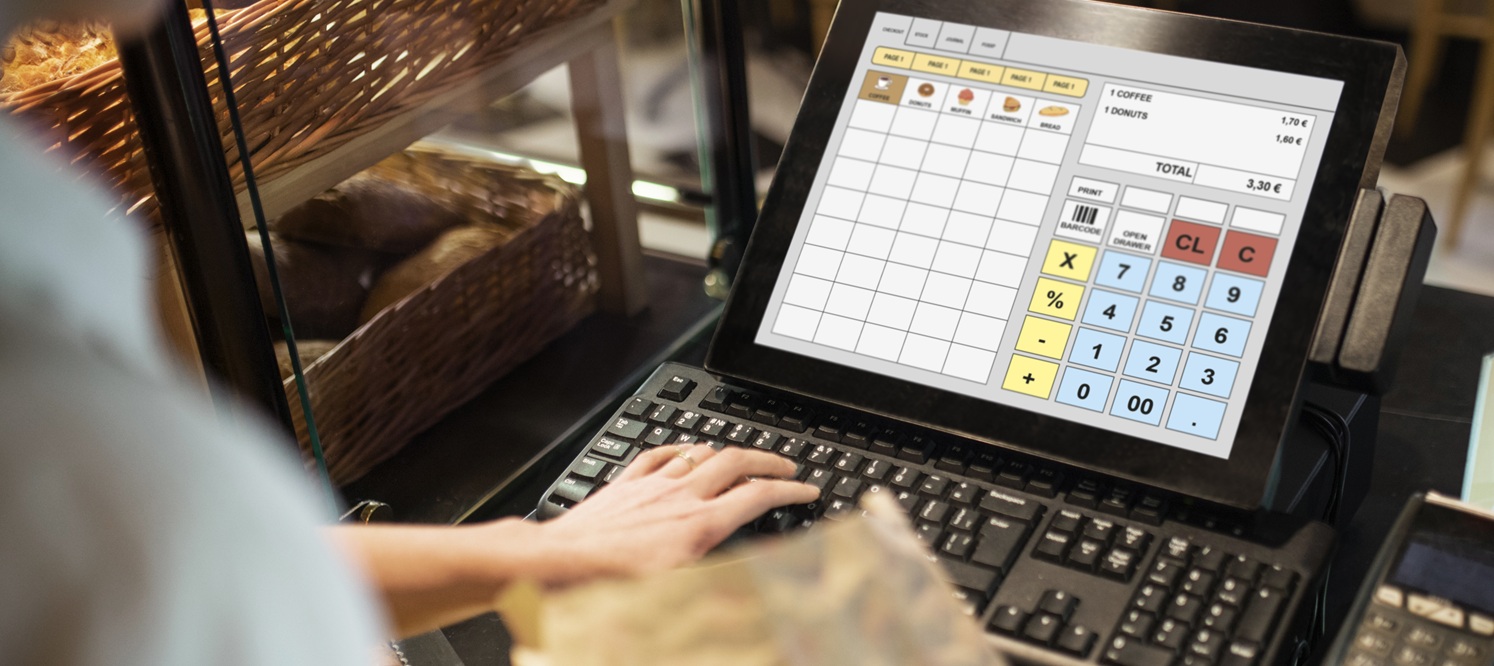
For multi-outlet retailers and F&B chains, a centralised POS system provides unified control across all branches. It synchronises pricing, promotions, and stock updates whether an outlet is in Kuala Lumpur, Penang, or Johor Bahru. Managers can monitor sales and compare results across locations from one dashboard, improving coordination and speed.
Real-time inventory updates keep stock levels balanced across the network. When one outlet runs low, another can transfer items instantly, reducing waste and preventing overordering. According to The Edge Malaysia (Jan 2024), retailers that adopted cloud-based systems reported up to a 20 percent improvement in stock accuracy within six months.
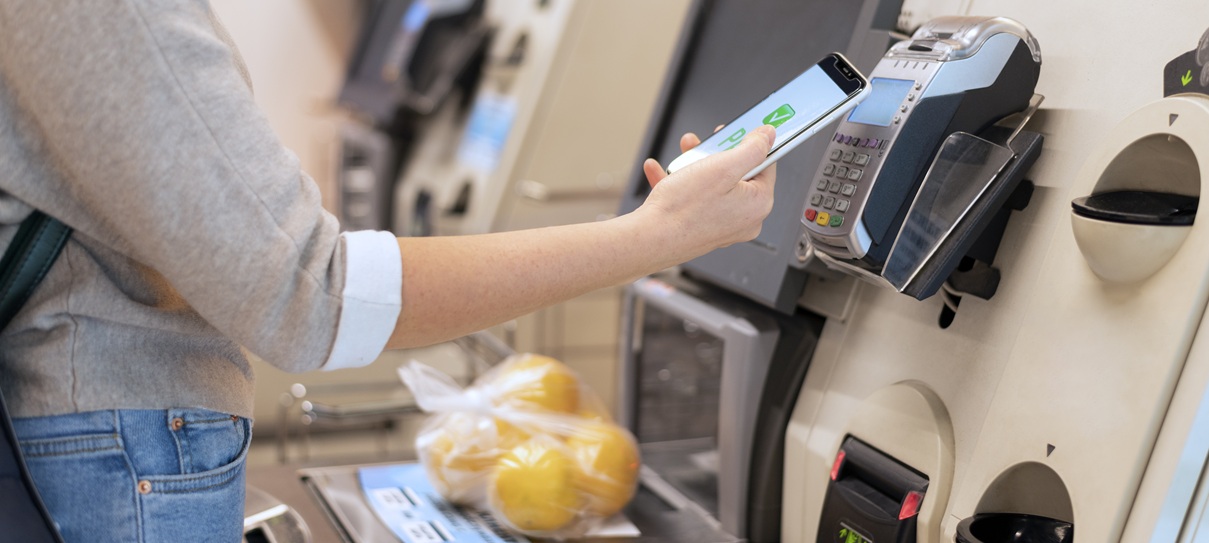
Automation is another defining advantage. The system manages price changes, sales reports, and time tracking, freeing teams to focus on customer service. Local payment compatibility remains crucial. Support for DuitNow QR, GrabPay, and Touch ’n Go eWallet eWallet ensures easy checkout for customers while maintaining compliance with SST and service-charge regulations.
How POS Simplifies Retail and F&B Management
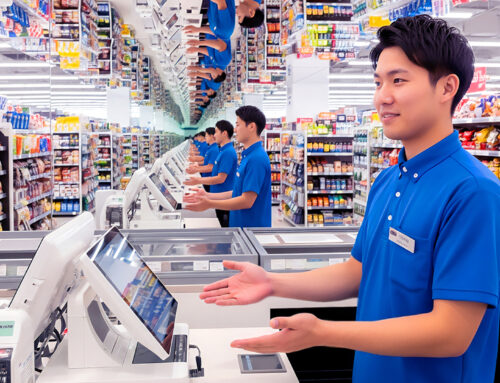
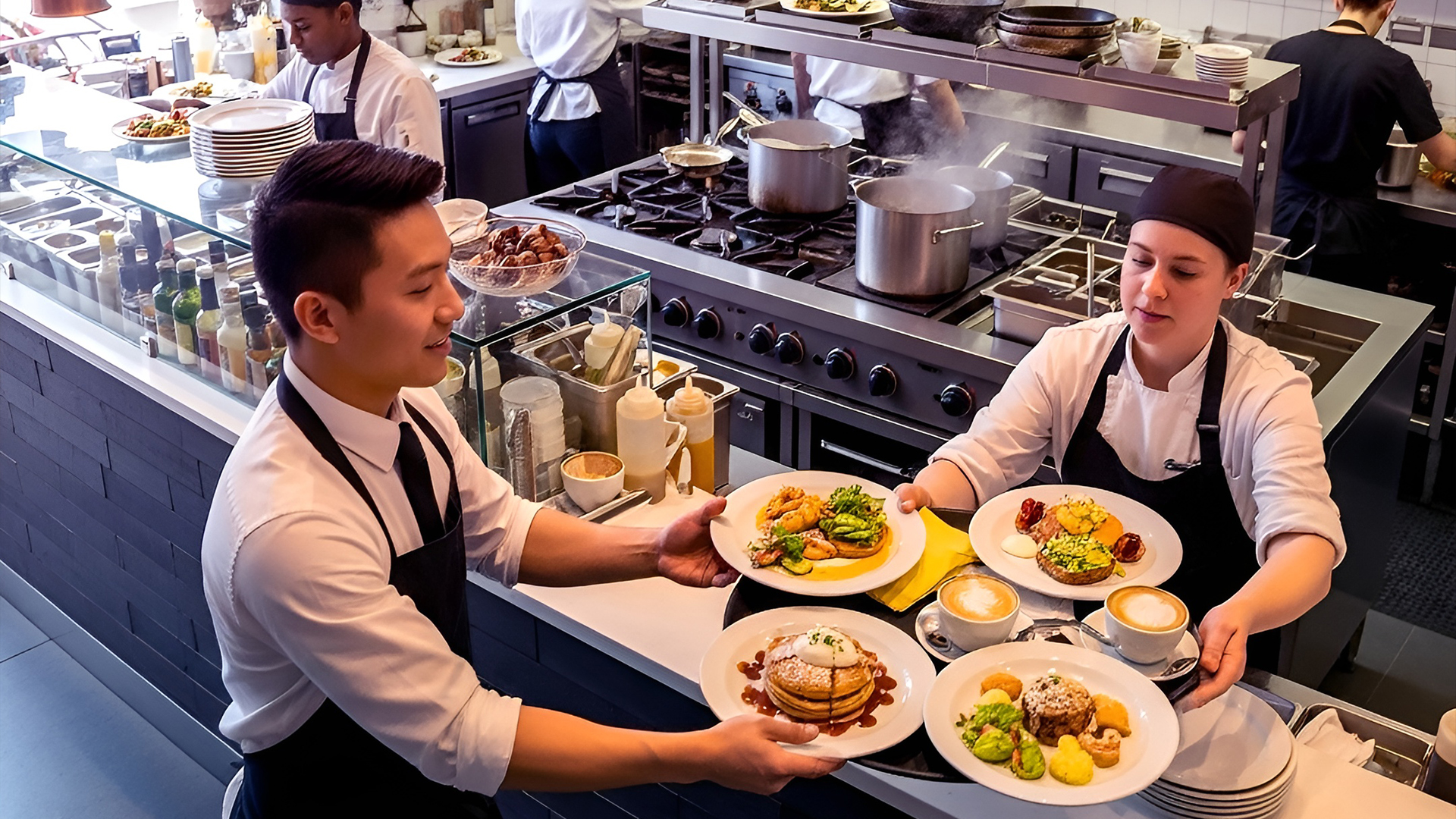
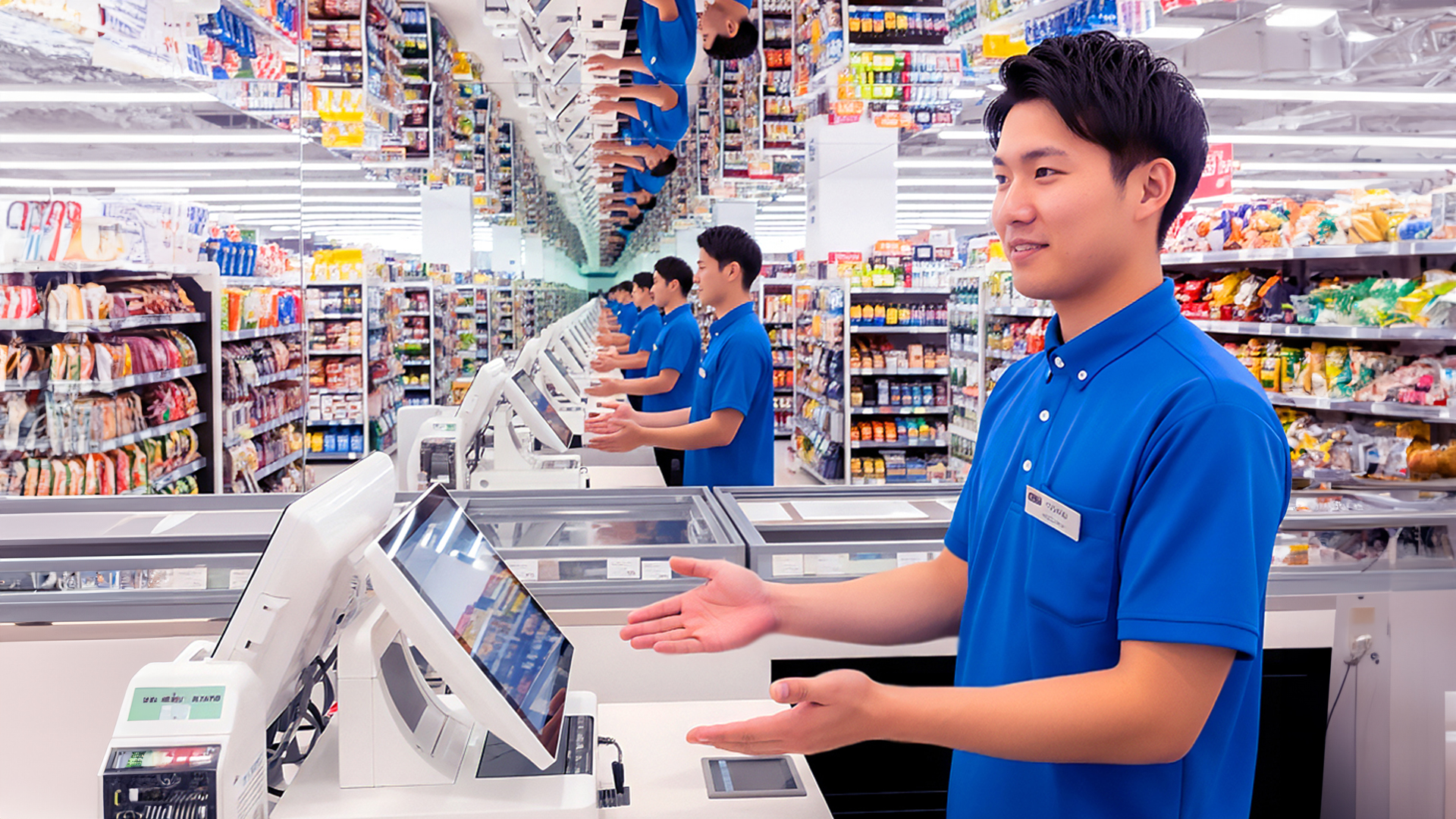
At the counter, the POS system improves accuracy and speed. Barcode scanning eliminates pricing errors and supports upselling suggestions at checkout. In restaurants, digital kitchen displays and QR ordering ensure orders are processed quickly and accurately, reducing waste and wait times.
Cloud-based POS systems also unify dine-in, delivery, and online sales channels. This ensures price consistency, stock accuracy, and smooth fulfilment. For operators with central kitchens or warehouses, it simplifies stock control by tracking ingredients, batches, and expiry dates. This level of visibility not only prevents losses but also improves sustainability.
The benefits extend to analytics. Managers can identify peak hours, best-selling items, and regional preferences instantly, enabling more precise promotions and staffing decisions. When every outlet operates within the same digital framework, insight becomes immediate and actionable.
Key Features Every Business Should Look For
Security is paramount. Look for PCI DSS compliance, multi-layer encryption, and user access controls. Integration matters just as much. The system should link smoothly with accounting, CRM, and e-commerce tools such as Shopify, QuickBooks, or Salesforce.
Ease of use and strong vendor support ensure smoother adoption. An intuitive interface shortens training time, while responsive local assistance minimises downtime. Scalability remains essential, ensuring the POS system grows with the business as new outlets open.
Future Trends in POS Technology
The next wave of POS systems will be even more connected and predictive. Artificial intelligence is already being used to analyse sales patterns, forecast demand, and personalise promotions. For Malaysian SMEs, these tools make large-scale insights accessible and affordable.
Cloud-first systems will continue to dominate, offering faster updates, lower setup costs, and stronger analytics. Contactless payments, mobile ordering, and scan-and-go shopping will soon be standard, blending convenience with security. Businesses that adapt early will enjoy the agility and consistency required to compete.
Why Malaysian Brands Choose Xilnex
At the forefront of Malaysia’s retail transformation, Xilnex stands out for its flexibility and local expertise. Its POS system integrates payments, CRM, analytics, and inventory into a single cloud platform designed for seamless scalability.
We have seen how Xilnex helps businesses make faster, more accurate decisions. With automated reporting, centralised visibility, and built-in compliance with Malaysian tax and payment systems, it ensures stability even during high-volume trading.
A capable POS system like Xilnex empowers business owners to focus on people, service, and sustainable growth, the hallmarks of long-term success.