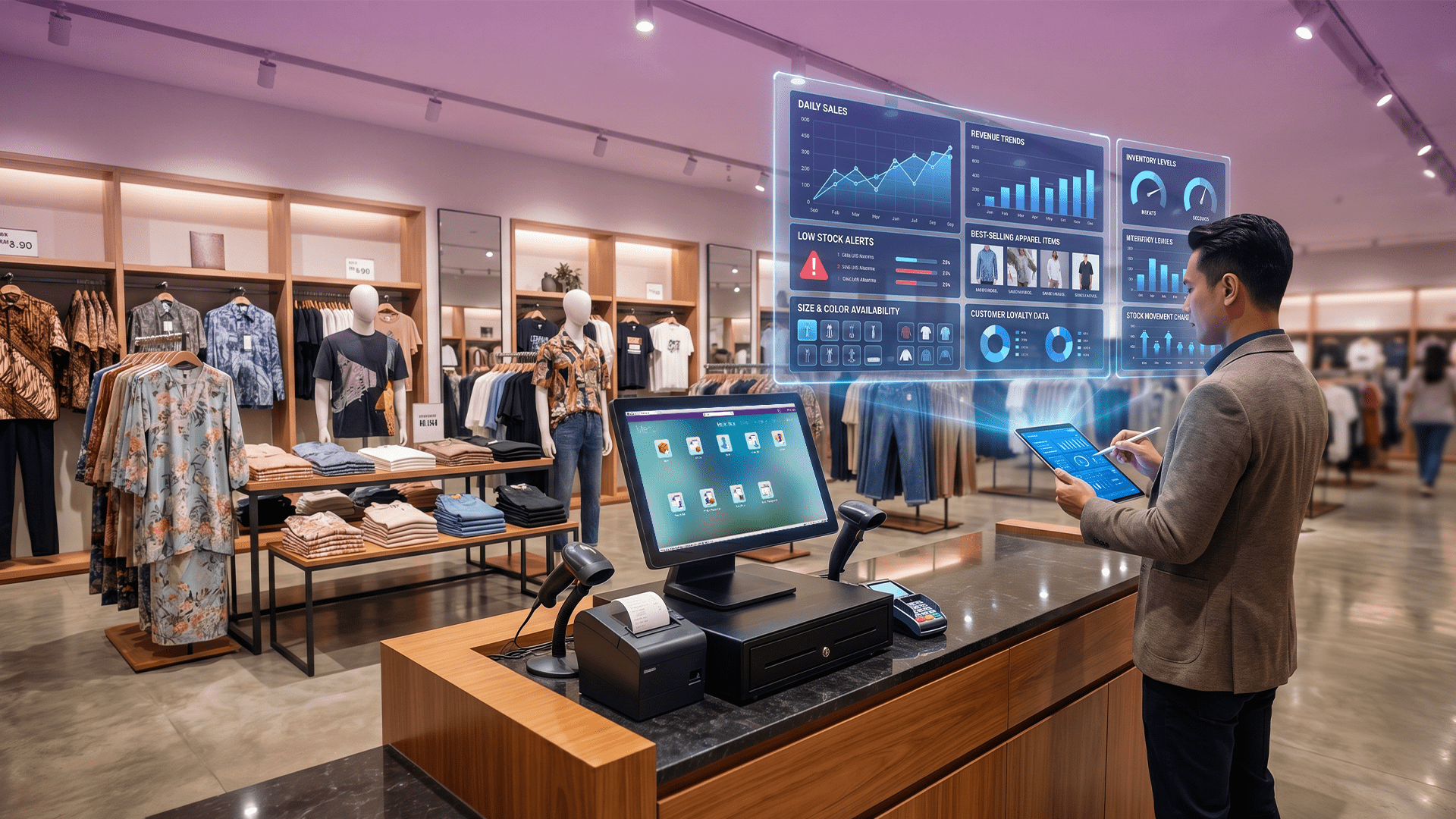
Opening multiple outlets signals growth. Managing them consistently determines long-term sustainability. Many retail and F&B operators expand quickly, only to discover their reporting, inventory, and pricing systems were never designed for scale. This is where a centralized point of sale solution in Malaysia becomes essential infrastructure rather than optional software.
According to the Department of Statistics Malaysia, wholesale and retail trade recorded year-on-year growth in December 2025, reflecting continued expansion in domestic consumption and business activity. Growth momentum in the sector increases competition, making operational discipline even more critical.
What does centralisation actually solve?
Multi-location businesses frequently struggle with inconsistent pricing, mismatched promotions, and delayed financial reporting. Individual outlets may perform adequately on their own, yet collectively create inefficiencies. A properly structured centralized point of sale solution in Malaysia connects every branch into one unified database. Sales transactions, product updates, and promotional rules synchronise automatically. Headquarters gains real-time oversight while outlets continue daily operations independently.
We have seen chains manually consolidating reports at month end. That method may work for two outlets. It becomes unstable at ten.
Why does this matter in Malaysia’s retail climate?
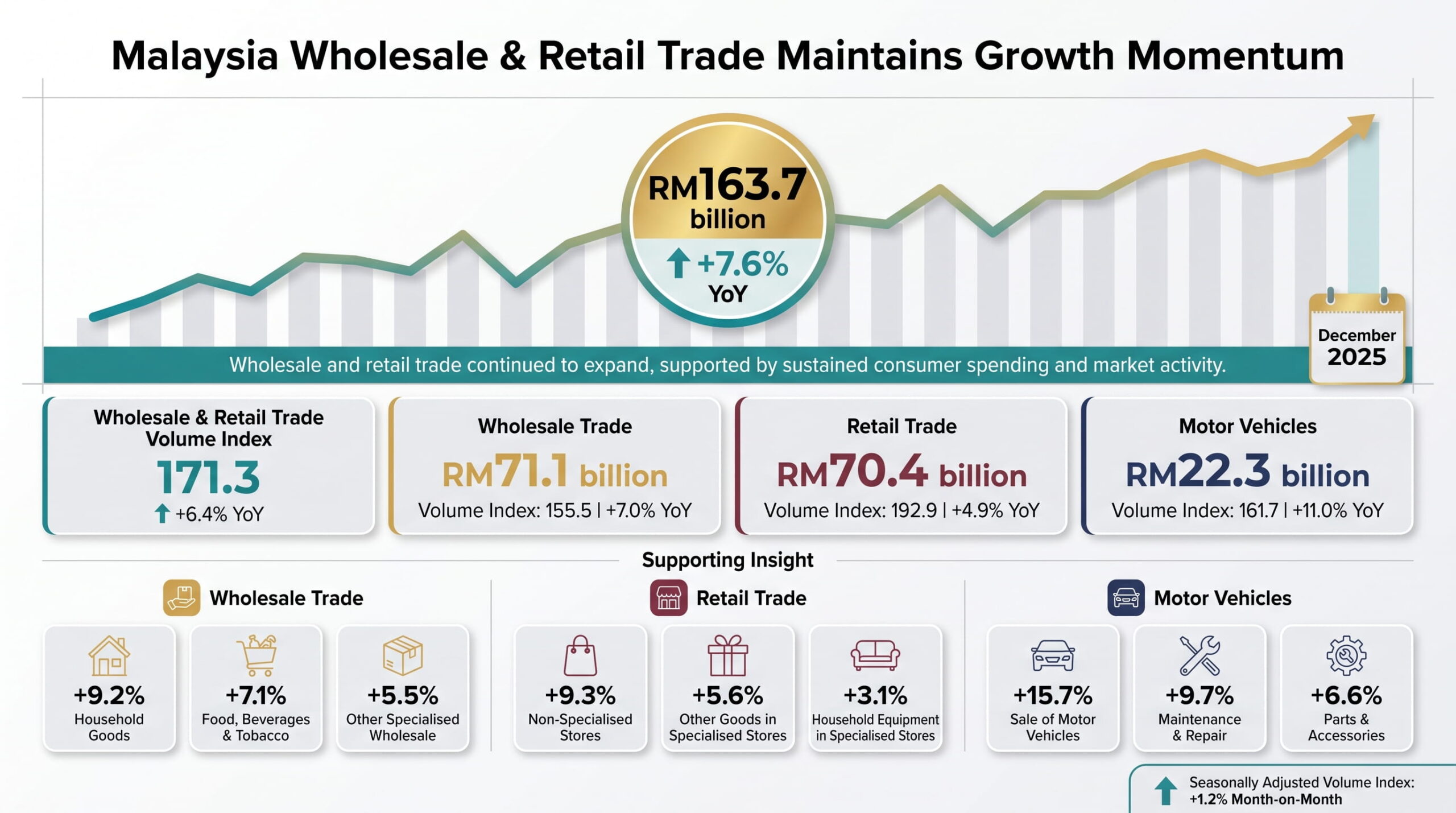
The DOSM December 2025 release highlighted continued expansion in wholesale and retail trade value, signalling sustained consumer spending and market activity. In a growing yet competitive environment, operational inefficiencies become more expensive. A reliable centralized point of sale solution in Malaysia ensures pricing strategies remain consistent nationwide. Campaigns can be launched simultaneously across all outlets. Financial reporting follows a unified structure.
Standardisation strengthens brand credibility. Customers expect identical pricing and promotions whether they shop in Klang Valley, Johor, or Penang.
How does inventory management improve?
Inventory often exposes structural weaknesses during expansion. One outlet over-orders while another runs out of stock. Manual coordination increases shrinkage and working capital pressure. With a well-implemented centralized point of sale solution in Malaysia, management can monitor stock levels across outlets in real time. Inter-branch transfers become structured. Low-stock alerts prevent missed sales opportunities.
We have observed that once centralised inventory tracking is introduced, procurement decisions become data-led rather than assumption-driven. Margins stabilise because leakage reduces.
What about reporting and decision-making?
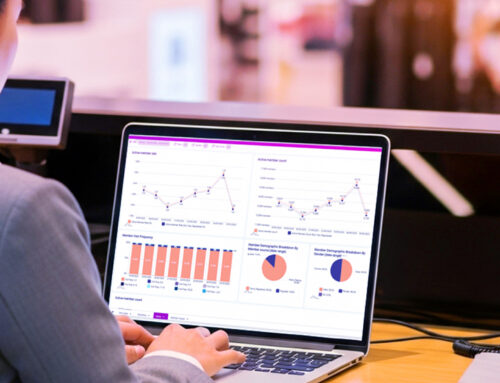
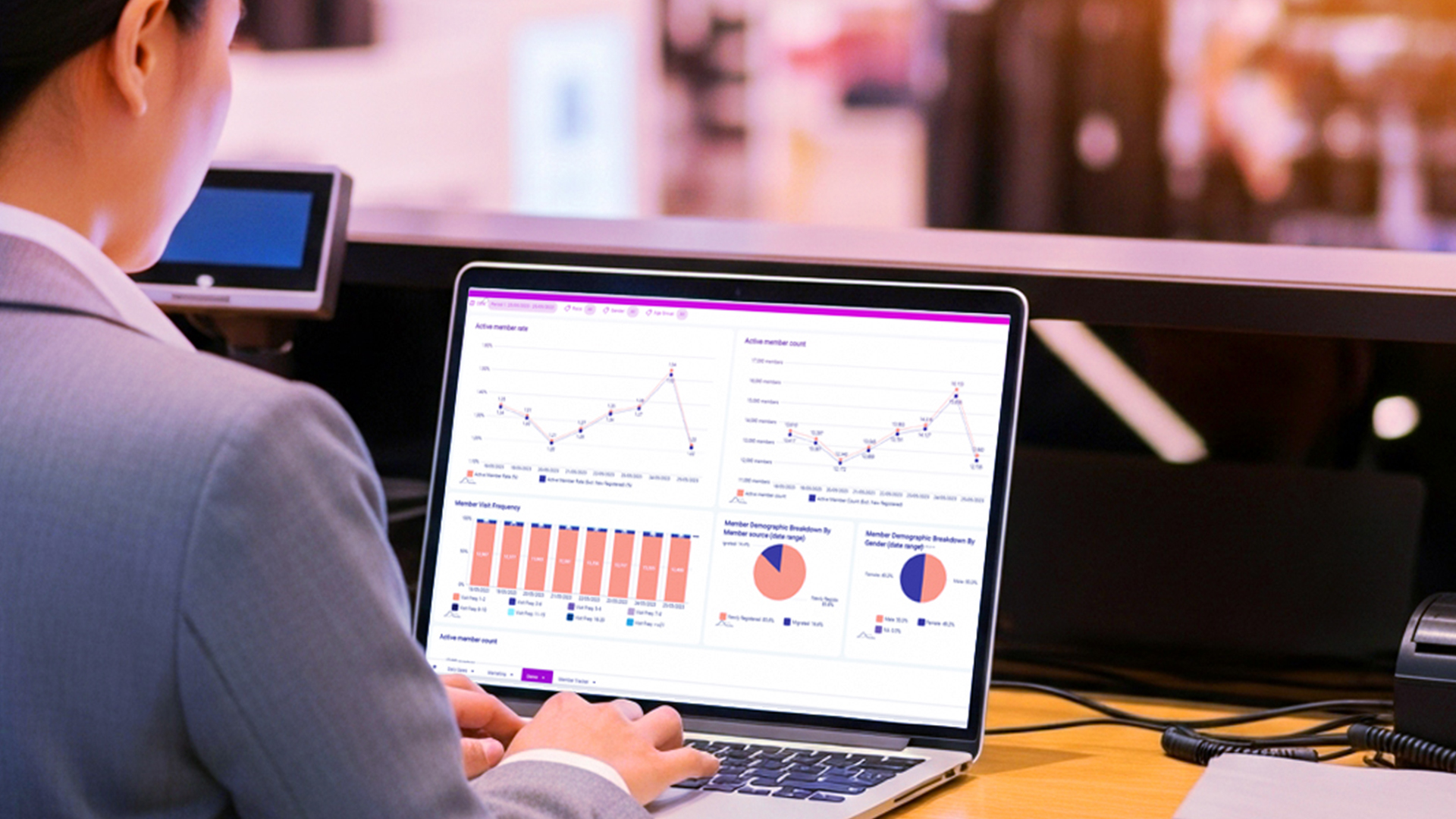
Delayed reporting limits agility. When sales figures must be manually compiled, leadership loses speed. A robust centralized point of sale solution in Malaysia provides live dashboards covering:
● Staff productivity indicators
Because information updates instantly, management discussions shift from reconciliation to strategy. Decision cycles shorten, particularly during peak trading months.
Does centralisation support long-term scalability?
Scalability depends on repeatable systems. Opening a new outlet should not require rebuilding product catalogues, pricing structures, and tax configurations from scratch. A structured centralized point of sale solution in Malaysia allows new branches to inherit standardised settings automatically. Deployment becomes faster. Brand consistency improves. Training complexity reduces.
Many growing businesses reach a stage where operational complexity begins to slow progress. That moment typically reflects a systems gap rather than market saturation. Xilnex supports multi-location retail and F&B operators with a centralized point of sale solution in Malaysia designed for real-time visibility, unified reporting, and scalable control. Growth becomes structured. Oversight becomes transparent. Expansion becomes sustainable.