Estimated reading time: 4 min read
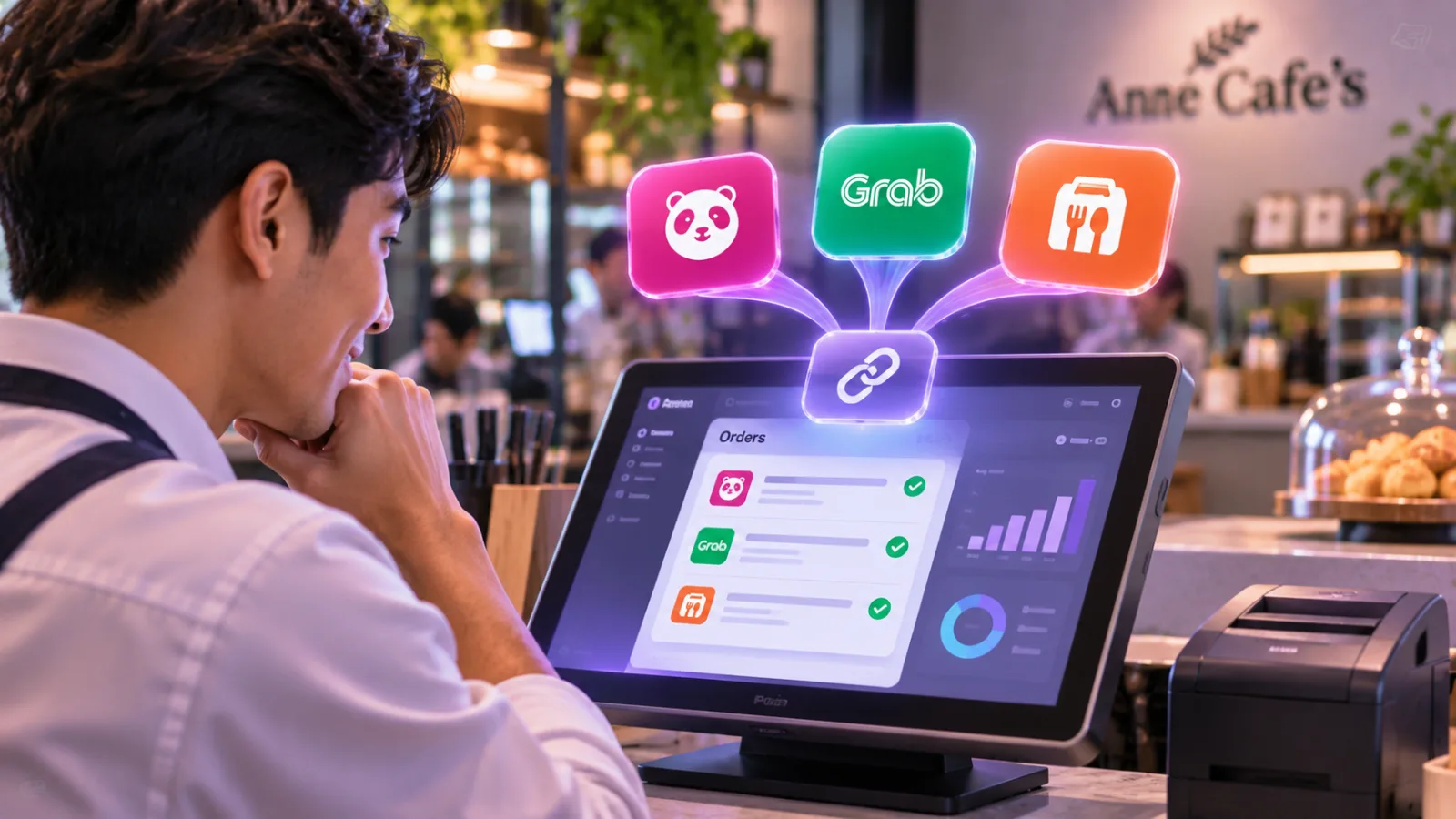
Integrating delivery platforms like GrabFood and foodpanda directly into your POS system is essential for reducing manual errors, synchronising inventory, and maintaining operational control. In the current Malaysian F&B landscape, delivery services have moved from being an optional extra to a core revenue stream. Operators no longer simply manage a dining room; they must simultaneously oversee takeaway collections and a constant flow of third-party delivery orders from platforms such as ShopeeFood.
This multi-channel environment introduces significant operational complexity. When dine-in, takeaway, and delivery orders are managed through separate, disconnected systems, the likelihood of friction increases. Without a unified approach, the gap between receiving an order on a tablet and recording it in the kitchen becomes a primary source of inefficiency and error.
The High Cost of Manual Order Re-entry
A common challenge for many Malaysian F&B operators is the reliance on multiple tablets to manage various delivery services. During peak periods, such as a busy Friday night, staff are often required to monitor several devices simultaneously. When an order arrives on a GrabFood or foodpanda tablet, a staff member must manually re-enter those details into the main POS system to ensure the kitchen receives the instruction and the sale is recorded.
This manual process is prone to human error. Even in a well-trained team, the rush of a high-volume shift can lead to miskeyed quantities, incorrect item selections, or the omission of critical special instructions, such as allergy requirements. Such mistakes have a direct impact on the business. Incorrect orders lead to food waste, increased preparation costs, and, most importantly, dissatisfied customers who may leave negative reviews on delivery platforms. Beyond the immediate cost, the mental strain on front-of-house and kitchen staff increases when they are constantly correcting avoidable mistakes, which can degrade overall service quality.
The Inventory Synchronisation Challenge
Effective F&B management relies on the tight link between sales and stock levels. In an integrated environment, every sale automatically triggers a deduction from the inventory. However, when delivery platforms operate in isolation from the POS, this link is broken. A sale made through a delivery app does not automatically update the main stock records, leading to significant discrepancies.
These discrepancies create a frustrating cycle for both staff and customers. An operator might see stock available on their POS, only to find that a large delivery order has already depleted those ingredients. This results in the kitchen having to cancel orders mid-way through the preparation process, causing delays and disappointing customers. To maintain profitability and customer trust, it is vital to have a single source of truth for inventory that remains accurate across all sales channels in real time.
Essential Features for a Modern Malaysian F&B POS
To manage these complexities, a POS system must go beyond simple transaction recording. It needs to be specifically designed for the requirements of the Malaysian market and the realities of modern F&B workflows.
Key technical requirements include:
- Kitchen Display Systems (KDS): Moving away from paper tickets to digital displays helps streamline the order flow, ensuring that kitchen staff see dine-in and delivery orders in a clear, organised sequence.
- Local Payment Support: Integration with local payment methods, such as DuitNow QR, is non-negotiable for providing convenience to both dine-in and takeaway customers.
- Offline Mode: Internet connectivity in Malaysia can occasionally be unstable. An offline mode ensures that business operations can continue even during a temporary disruption, preventing a total halt in service.
- LHDN e-Invoice Compliance: As regulatory requirements evolve, a modern POS must be capable of supporting LHDN e-Invoicing to ensure the business remains compliant with local tax laws.
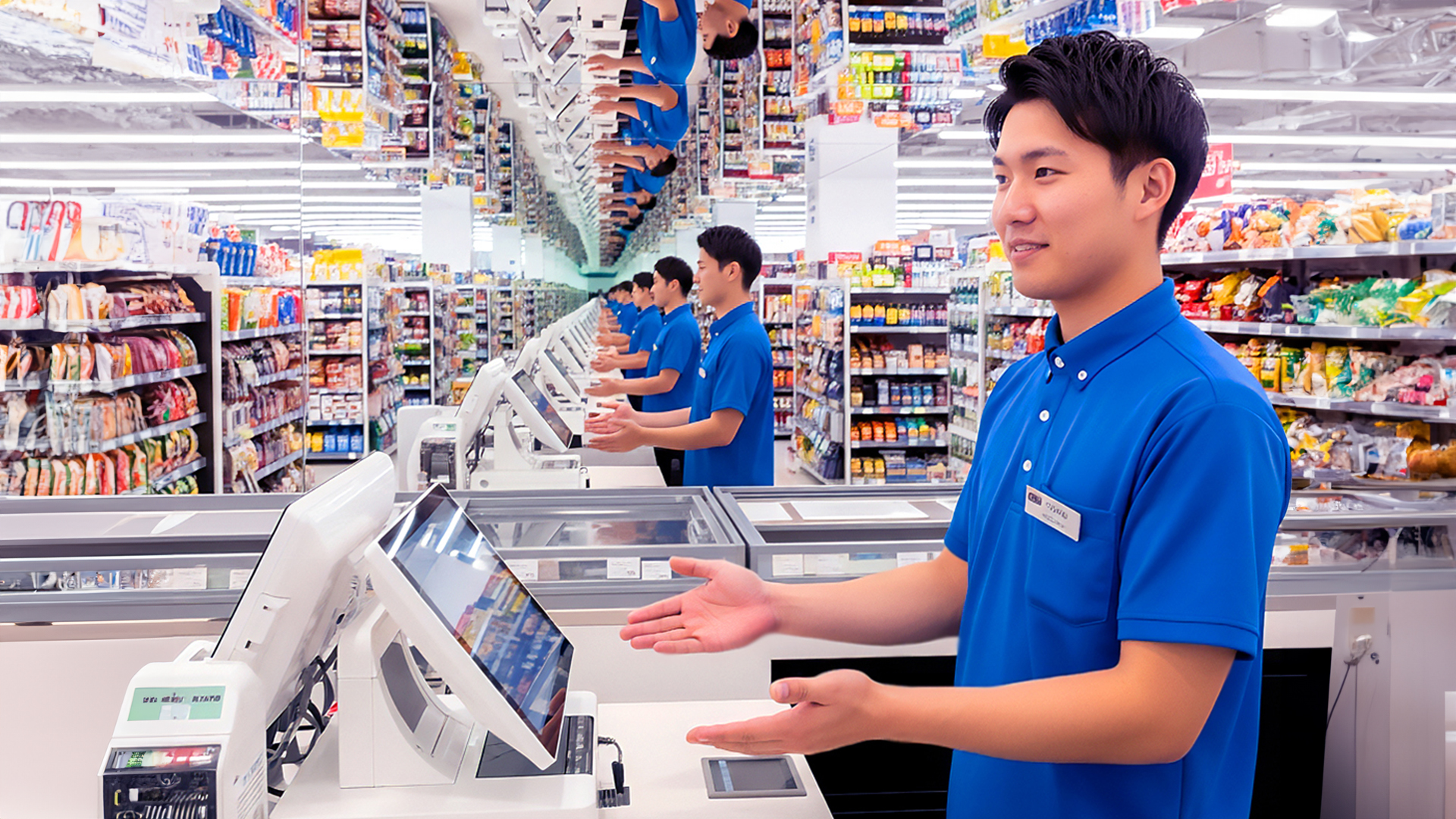
- Hardware Connectivity: The ability to connect with hardware like self-ordering kiosks can further reduce the burden on staff and improve the speed of service during peak hours.
Scaling Efficiency with Multi-Outlet Management
For business owners looking to expand, managing multiple locations introduces a new layer of difficulty. It is impossible for an owner to be physically present at every outlet to monitor performance, which makes centralised management a necessity rather than a luxury.
A robust system provides centralised dashboards that allow owners to monitor real-time sales, customer traffic, and stock data across all locations from a single interface. This visibility enables data-driven decision-making. For example, an owner can identify which outlet is experiencing higher delivery volumes or which specific items are consistently out of stock. Remote monitoring tools allow for oversight of operational standards and financial accuracy without the need for constant physical supervision, providing the control required to scale a business effectively.